
The second meeting of the study group at the Department of Endocrinology for students of the MMI faculty. The topic of the meeting is “Silent epidemic: how to recognize osteoporosis before the first fracture?”.
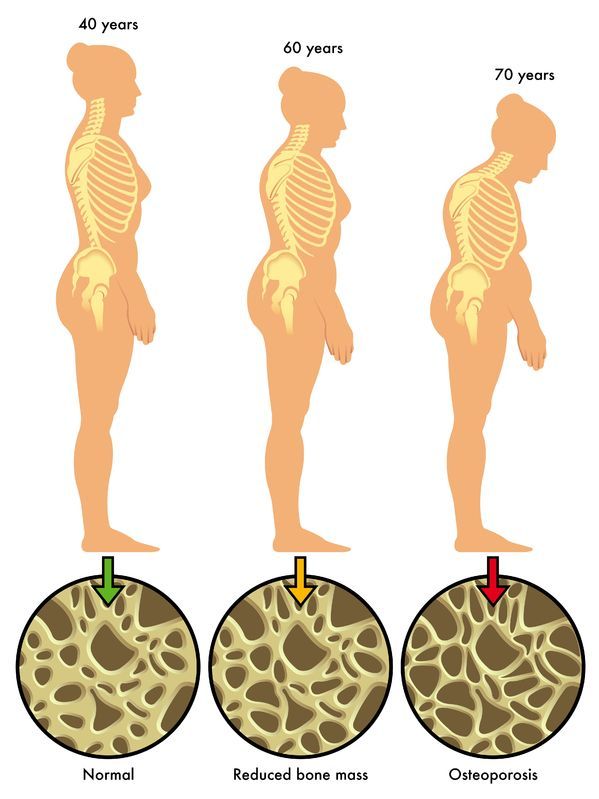
Osteoporosis is a disease in which bone density decreases, causing bones to become fragile and porous, like a sponge. As a result, even a minor impact — a fall from the height of one’s own body, a strong cough, or an awkward movement — can lead to a fracture.
Why is this dangerous?
The main danger of osteoporosis is that in the early stages it often occurs without symptoms. A person may not suspect there is a problem for a long time until the first pathological fracture occurs. Hip fractures are especially dangerous: they often lead to prolonged immobility, disability, and in some cases, even death due to complications (pneumonia, thromboembolism).
Why this happens ?
Osteoporosis can be primary (an independent disease, for example, postmenopausal in women or senile in older people) or secondary (develops against the background of other diseases: endocrine, rheumatic, kidney diseases, gastrointestinal diseases, etc.).
How it manifests:
As the disease progresses, the following may appear:
back pain, especially after exertion;
stooped posture, reduced height;
compression fractures of the vertebrae (often without obvious pain);
nighttime leg cramps.
The diagnosis includes:
Densitometry — the “gold standard” for measuring bone density.
Laboratory tests (calcium, phosphorus, vitamin D, markers of bone turnover, hormones) to identify the cause.
Assessment of fracture risk using the FRAX algorithm.
Treatment is comprehensive and aimed at slowing down bone mass loss and preventing fractures. It may include:
medication (drugs that suppress bone destruction or stimulate bone formation);
a diet rich in calcium and vitamin D;
therapeutic exercise to strengthen muscles and improve coordination.
- Все новости23434
- Поступающим444
- Образование3460
- Наука3411
- Общество3217
- Университетская жизнь5685
- Медицина1286
- Трудоустройство548
- Непрерывное образование81
- Международная деятельность393
Информационные рубрики
Главный корпус
+7(4712)588-137
305041 К.Маркса,3, г.Курск
kurskmed@mail.ru
Приемная комиссия
58-81-38
305041 К.Маркса,3, г.Курск